Contents
hide
- The Repair vs. Replace Dilemma
- 1. Repair Costs Exceed the Vehicle’s Value
- 2. Frequent Breakdowns Are Becoming Normal
- 3. Major Components Are Failing
- 4. Safety Technology Is Outdated
- 5. Fuel Efficiency Is Poor
- 6. Rust and Corrosion Are Spreading
- 7. The Vehicle No Longer Meets Your Needs
- 8. Reliability Has Become a Concern
- 9. Maintenance Costs Continue Rising
- 10. Better Financing and Vehicle Options Are Available
- How to Make the Final Decision
- Conclusion
Owning a vehicle comes with ongoing maintenance and repair costs. While regular servicing can keep a car running smoothly for years, there comes a point when repairing an aging vehicle may no longer make financial sense. Knowing when to replace a car instead of continuing to fix it can save you money, improve reliability, and provide greater peace of mind.
Whether you’re driving an older sedan, an SUV, or searching for a car for sale in Cambodia, understanding the signs that indicate it’s time for a replacement can help you make a smart financial decision.
The Repair vs. Replace Dilemma
Every vehicle owner eventually faces the same question: Should I keep repairing my current car or buy a newer one?
The answer depends on several factors, including the vehicle’s age, condition, repair costs, safety features, and market value. While there is no universal rule, evaluating these factors carefully can help determine the best course of action.
1. Repair Costs Exceed the Vehicle’s Value
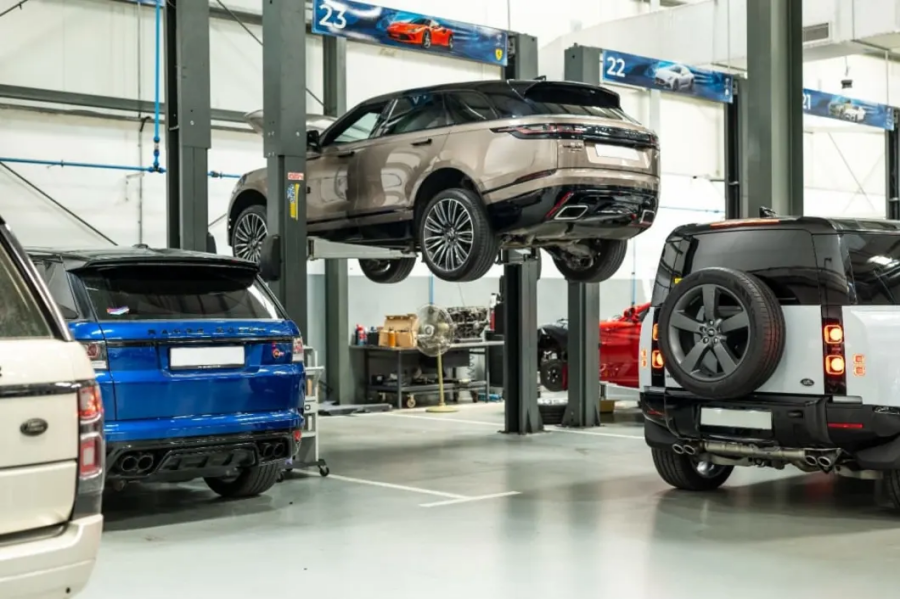
One of the clearest signs that it’s time to replace your vehicle is when repair costs begin approaching or exceeding the car’s market value.
For example, if your car is worth $4,000 but requires $3,500 worth of engine or transmission repairs, investing that amount may not be financially wise. In many cases, putting that money toward a newer vehicle provides better long-term value.
A commonly used guideline is the “50% Rule.” If a single repair costs more than 50% of the vehicle’s current value, replacement is often the more practical option.
2. Frequent Breakdowns Are Becoming Normal
Occasional repairs are a normal part of vehicle ownership. However, when your car constantly requires attention, the costs and inconvenience can quickly add up.
Common warning signs include:
- Repeated engine issues
- Electrical system failures
- Frequent overheating
- Transmission problems
- Suspension repairs
- Constant warning lights
If you find yourself visiting the repair shop every few months, it may be time to evaluate whether continuing repairs is worth the expense.
3. Major Components Are Failing
Certain repairs are significantly more expensive than others. When critical systems begin failing, replacement may become the better option.
Some costly repairs include:
Engine Replacement
Replacing an engine can cost thousands of dollars depending on the vehicle make and model.
Transmission Failure
Transmission repairs or replacements are among the most expensive automotive services.
Frame Damage
Structural damage resulting from accidents can affect both safety and vehicle value.
Electrical System Issues
Modern vehicles rely heavily on electronics. Diagnosing and repairing complex electrical faults can be time-consuming and costly.
When multiple major systems begin failing at the same time, replacing the vehicle is often the more economical decision.
4. Safety Technology Is Outdated

Automotive safety technology has advanced dramatically over the past decade.
Many newer vehicles offer features such as:
- Automatic emergency braking
- Blind-spot monitoring
- Lane-keeping assistance
- Adaptive cruise control
- Rear cross-traffic alert
- Advanced airbag systems
Older vehicles may lack these important safety features. If your current car no longer meets modern safety standards, upgrading to a newer model can significantly improve protection for you and your passengers.
Many buyers exploring a car for sale in Cambodia are increasingly prioritizing modern safety technologies when selecting their next vehicle.
5. Fuel Efficiency Is Poor
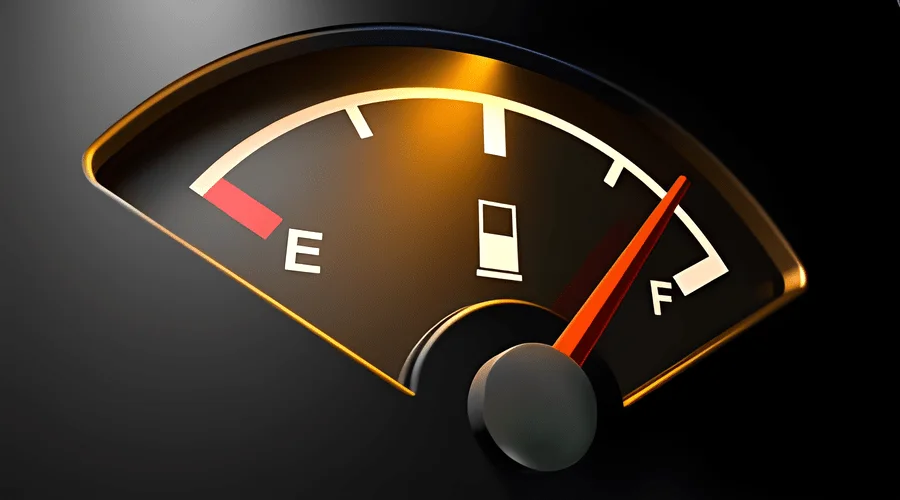
Older vehicles often consume significantly more fuel than modern alternatives.
As fuel prices fluctuate, poor fuel economy can become a substantial ongoing expense. Newer cars benefit from advanced engine technology, hybrid systems, and improved aerodynamics that help reduce operating costs.
If your current vehicle requires frequent fuel stops and maintenance while offering poor efficiency, upgrading may provide noticeable long-term savings.
6. Rust and Corrosion Are Spreading
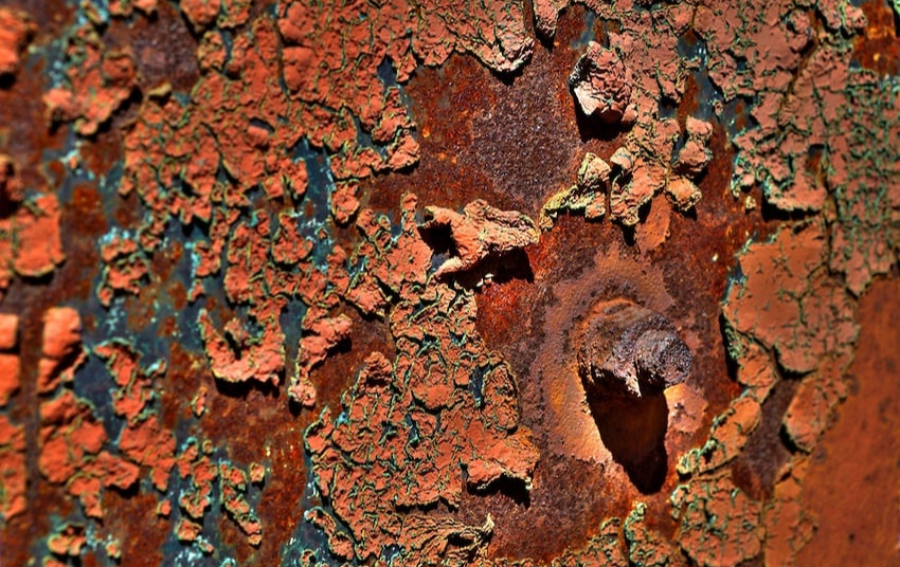
Surface rust may seem minor, but extensive corrosion can create serious structural problems.
Rust commonly affects:
- Frame components
- Suspension mounting points
- Brake lines
- Fuel lines
- Body panels
When corrosion compromises structural integrity, repair costs can become prohibitively expensive. In severe cases, replacing the vehicle becomes the safest solution.
7. The Vehicle No Longer Meets Your Needs
Your transportation requirements may change over time.
Perhaps your family has grown, your commute has increased, or your business requires additional cargo capacity. Even if your current vehicle remains functional, it may no longer suit your lifestyle.
Many consumers searching for a car for sale in Cambodia are looking for vehicles that better align with changing family, business, or travel needs.
Replacing your vehicle can improve comfort, convenience, and overall driving satisfaction.
8. Reliability Has Become a Concern
Reliability is one of the most important factors in vehicle ownership.
If you’re constantly worried about:
- Getting stranded
- Missing work
- Unexpected repair bills
- Long-distance travel
then your vehicle may no longer be dependable enough for daily use.
A reliable vehicle reduces stress and provides confidence every time you get behind the wheel.
9. Maintenance Costs Continue Rising
As vehicles age, maintenance expenses generally increase.
Common age-related repairs include:
- Timing belt replacement
- Cooling system repairs
- Brake system overhauls
- Suspension work
- Air conditioning repairs
Individually, these repairs may be manageable. However, when multiple maintenance items occur within a short period, ownership costs can exceed the benefits of keeping the vehicle.
Tracking annual maintenance expenses can provide a clear picture of whether replacement is becoming the more cost-effective choice.
10. Better Financing and Vehicle Options Are Available
Today’s automotive market offers more choices than ever before.
Whether you’re interested in compact cars, SUVs, hybrid vehicles, or electric models, there are numerous options available to fit different budgets and lifestyles.
For buyers considering a car for sale in Cambodia, competitive pricing and a growing selection of both new and used vehicles make upgrading more accessible than in previous years.
If affordable financing options are available, replacing an aging vehicle may be financially manageable while reducing future repair expenses.
How to Make the Final Decision
Before deciding to replace your vehicle, consider the following:
- Calculate the vehicle’s current market value.
- Estimate upcoming repair costs.
- Compare annual maintenance expenses.
- Evaluate fuel efficiency.
- Assess safety features.
- Consider reliability and convenience.
A trusted mechanic can also provide valuable insight into the vehicle’s long-term condition and expected repair needs.
Conclusion
There is no perfect age or mileage at which every vehicle should be replaced. However, when repair costs continue increasing, reliability declines, safety becomes outdated, or major components begin failing, replacing the vehicle often becomes the smarter financial decision.For drivers evaluating their options or searching for a car for sale in Cambodia, understanding the true cost of ownership is essential. By carefully comparing repair expenses with the benefits of a newer vehicle, you can make a decision that saves money, improves safety, and provides greater peace of mind for years to come.
Looking for top-quality new or used cars? Trust DG Motors for fast, reliable service—or visit our Phnom Penh showroom today!