Engine oil is essential for keeping your vehicle running smoothly. It lubricates engine components, reduces friction, prevents overheating, and extends engine life. However, many drivers become concerned when they notice their car consuming oil faster than normal. If you constantly need to top up engine oil between services, there may be an underlying problem that requires attention.
Whether you drive an older sedan, a modern SUV, or are searching for a car for sale in Cambodia, understanding why vehicles burn or lose oil is important for long-term maintenance and reliability. Excessive oil consumption can lead to serious engine damage if ignored. In this article, we will explore the most common reasons why your car consumes oil so fast and how you can solve the problem.
1. Worn Piston Rings
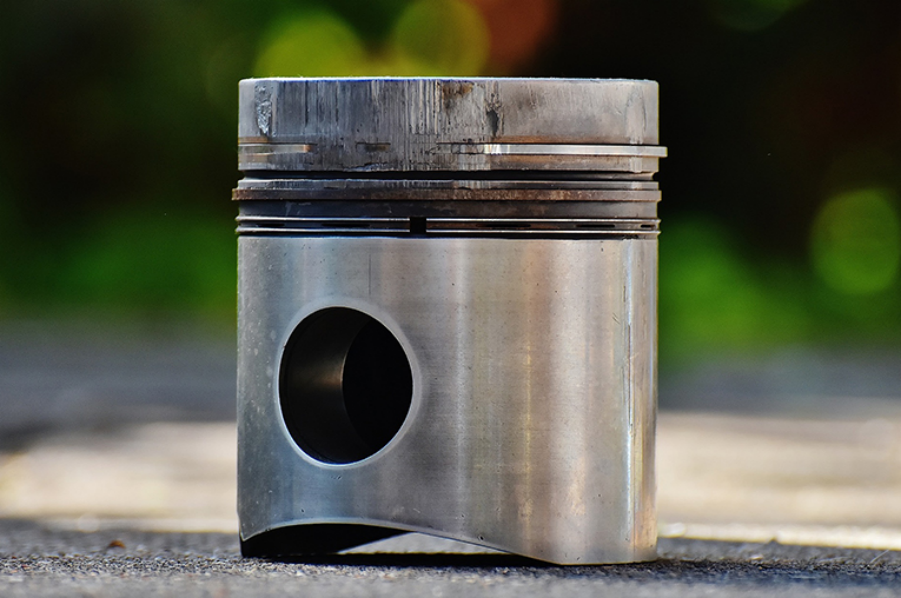
One of the most common causes of excessive oil consumption is worn piston rings. Piston rings help seal the combustion chamber and prevent oil from entering the engine cylinders.
Over time, these rings can wear out due to heat, friction, and age. When this happens, oil leaks into the combustion chamber and burns along with fuel. As a result, your car starts consuming oil much faster than normal.
Common symptoms include:
- Blue smoke from the exhaust
- Reduced engine performance
- Poor fuel efficiency
- Increased exhaust emissions
This issue is especially common in high-mileage vehicles. Buyers looking for a car for sale in Cambodia should always inspect the engine condition carefully to avoid expensive repairs later.
2. Leaking Valve Seals
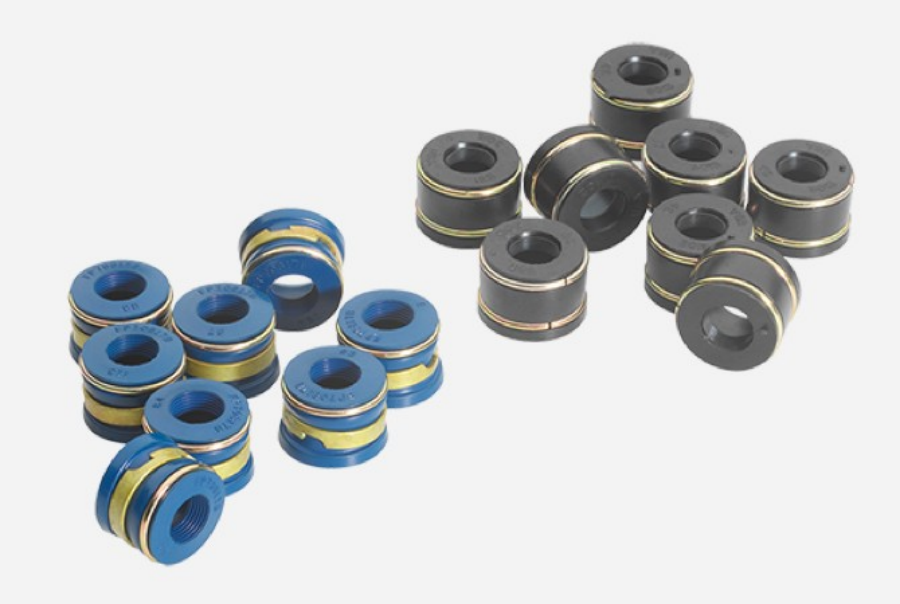
Valve seals prevent oil from leaking into the engine cylinders through the valve system. If these seals become damaged or brittle, oil can seep into the combustion chamber and burn during engine operation.
Bad valve seals often cause blue smoke during startup, especially after the vehicle has been parked overnight. The problem may worsen as the engine ages.
Modern engines operate at high temperatures, which can accelerate seal deterioration. Routine maintenance and regular oil changes can help extend seal life.
If you are considering a used car for sale in Cambodia, checking for smoke during startup is a smart way to identify possible valve seal issues.
3. Oil Leaks
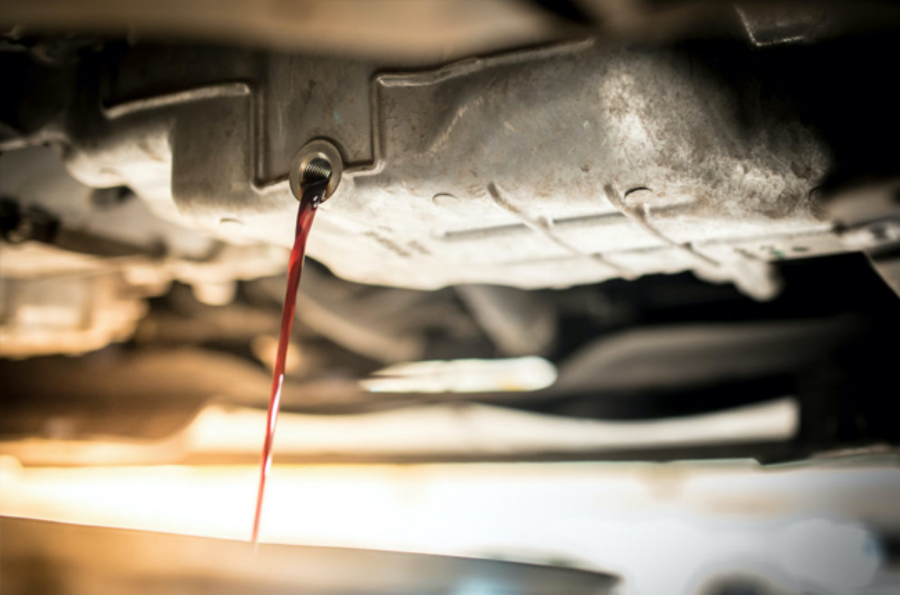
Sometimes the engine is not burning oil internally — it may simply be leaking externally. Oil leaks are one of the easiest causes of oil loss to identify.
Common leak locations include:
- Valve cover gasket
- Oil pan gasket
- Oil filter housing
- Drain plug
- Front or rear main seals
You may notice oil spots under your car after parking or smell burning oil while driving. Ignoring leaks can eventually lead to low oil levels and severe engine damage.
Cambodia’s hot climate can sometimes accelerate gasket wear, making regular inspections important for any car for sale in Cambodia.
4. Using the Wrong Engine Oil
Using incorrect oil viscosity can also increase oil consumption. Every engine is designed to work with a specific oil grade recommended by the manufacturer.
Oil that is too thin may pass through engine components more easily and burn faster. On the other hand, low-quality oil may break down quickly under heat and pressure.
Always follow the manufacturer’s oil recommendations and choose high-quality engine oil to maintain proper lubrication and performance.
This is particularly important for newer turbocharged vehicles and modern imported models often found in the car for sale in Cambodia market.
5. Turbocharger Problems
Turbocharged engines are becoming increasingly popular because they improve power and fuel efficiency. However, turbochargers operate at extremely high speeds and temperatures.
A failing turbocharger seal can allow oil to leak into the intake or exhaust system, causing excessive oil consumption. Drivers may notice:
- Blue exhaust smoke
- Loss of engine power
- Whining noises from the turbo
- Increased oil usage
Turbocharger repairs can be expensive, so early diagnosis is essential. Buyers interested in a turbocharged car for sale in Cambodia should inspect maintenance records carefully before purchasing.
6. PCV Valve Failure
The Positive Crankcase Ventilation (PCV) valve regulates pressure inside the engine. If the PCV valve becomes clogged or fails, excessive pressure can force oil into areas where it should not go.
This can result in:
- Increased oil consumption
- Oil leaks
- Rough idle
- Engine sludge buildup
Fortunately, replacing a faulty PCV valve is usually inexpensive and can significantly improve engine performance.
Regular servicing helps prevent this small component from causing major engine problems.
7. Aggressive Driving Habits
Driving style can also affect oil consumption. Hard acceleration, high-speed driving, and frequent heavy loads place additional stress on the engine.
When the engine works harder, temperatures rise and oil burns faster. Sports cars and performance-oriented vehicles often consume more oil naturally because of their engine design.
Drivers should monitor oil levels more frequently if they regularly drive long distances or in heavy traffic conditions.
This is useful advice for anyone purchasing a car for sale in Cambodia, especially in urban areas where stop-and-go traffic is common.
8. Poor Maintenance History
Skipping oil changes or using dirty oil for extended periods can accelerate engine wear significantly. Sludge buildup reduces lubrication efficiency and damages internal components over time.
A poorly maintained engine is far more likely to consume oil excessively. Regular maintenance is one of the best ways to prevent costly engine repairs.
When shopping for a used car for sale in Cambodia, always ask for service records to verify that the vehicle has been maintained properly.
How to Reduce Excessive Oil Consumption
Here are some practical ways to reduce oil consumption:
- Check oil levels regularly
- Use manufacturer-recommended oil
- Fix leaks immediately
- Replace worn engine components
- Avoid aggressive driving habits
- Follow regular maintenance schedules
Early diagnosis can prevent small issues from turning into expensive engine failures.
Final Thoughts
Excessive oil consumption is a warning sign that should never be ignored. Worn piston rings, leaking valve seals, turbocharger issues, oil leaks, and poor maintenance are among the most common causes.
Whether you already own a vehicle or are searching for a reliable car for sale in Cambodia, understanding these engine problems can help you make smarter decisions and avoid costly repairs.
Routine inspections, proper maintenance, and high-quality engine oil are essential for keeping your engine healthy and reducing unnecessary oil consumption. Taking care of your vehicle today can save you significant time and money in the future.
Looking for top-quality new or used cars? Trust DG Motors for fast, reliable service—or visit our Phnom Penh showroom today!